


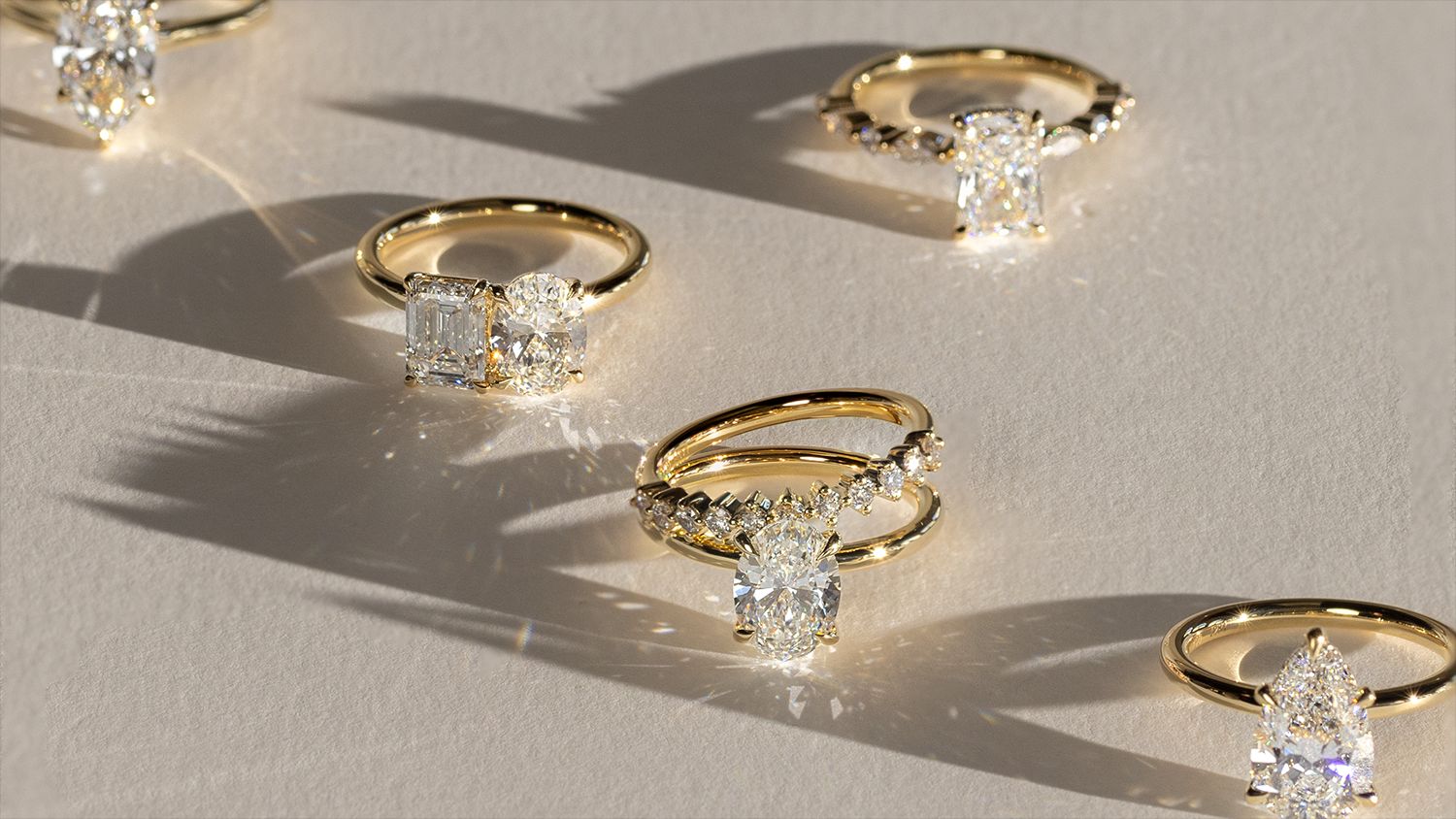
As lab-grown diamonds continue to reshape the jewelry market, consumers are becoming more curious about how these gems are actually made. Two primary methods dominate the production of man-made diamonds: HPHT (High Pressure High Temperature) and CVD (Chemical Vapor Deposition). While both create real diamonds, each process differs in how it replicates nature’s conditions.
In this article, we’ll break down HPHT vs CVD, compare their advantages, and explain what these methods mean for buyers of lab-grown diamonds.
Table of Contents
What Are Man-Made Diamonds?
Before diving into the technical differences, it’s important to understand what man-made diamonds (also known as lab grown diamonds) actually are. These are real diamonds, made of carbon atoms arranged in the same crystalline structure as natural diamonds. The only difference is origin—lab-grown diamonds are created above ground, rather than forming over billions of years beneath the Earth’s crust.
Both HPHT and CVD methods produce diamonds that are physically, chemically, and optically identical to mined stones. They can be cut, polished, and graded in the same way as natural diamonds, and both types are certified by gemological labs like the GIA and IGI.
HPHT: High Pressure, High Temperature
The HPHT method was the first successful process used to create synthetic diamonds, dating back to the 1950s. It mimics the intense pressure and heat conditions deep within the Earth where natural diamonds form.
How HPHT Works:
- A small diamond seed is placed in carbon.
- The chamber is exposed to extreme pressure (about 5–6 GPa) and high temperatures (around 1,300–1,600°C).
- The carbon melts and begins to crystallize around the seed, forming a diamond.
Advantages of HPHT Diamonds:
- Often used to improve or enhance color in diamonds (especially removing brownish tints).
- HPHT diamonds can have better crystal symmetry due to the uniform pressure environment.
- The process is typically faster for creating gem-quality diamonds, especially for smaller sizes.
Things to Know:
- HPHT diamonds may show metallic inclusions (remnants of the growth chamber’s flux metals).
- Growth patterns and graining visible under magnification can help gemologists identify HPHT origin.
CVD: Chemical Vapor Deposition
CVD technology is a newer method, introduced in the 1980s and refined for gem-quality diamond production in the 2000s. CVD diamonds are grown under very different conditions, in a vacuum chamber using carbon-rich gases.
How CVD Works:
- A diamond seed is placed inside a vacuum chamber.
- Carbon gases (usually methane and hydrogen) are introduced and heated with microwaves or plasma.
- Carbon atoms break down and deposit layer by layer onto the seed crystal, growing a diamond over time.
Advantages of CVD Diamonds:
- More energy-efficient and cost-effective for producing larger, gem-quality stones.
- Fewer metallic inclusions, which can result in higher clarity grades.
- Offers greater control over size, clarity, and growth direction.
Things to Know:
- CVD diamonds can sometimes develop a brownish or grayish tint during growth, which is often removed with post-growth HPHT treatment.
- They may show strain patterns (graining) and different fluorescence under UV light compared to HPHT diamonds.
HPHT vs CVD: Key Differences at a Glance
| Feature | HPHT | CVD |
|---|---|---|
| Growth Method | High pressure + high heat | Gas-based carbon deposition |
| Appearance | May have metallic inclusions | Generally fewer inclusions |
| Color Tuning | Good for white/colorless gems | May require post-treatment |
| Production Speed | Faster for small stones | Better for large, high-clarity gems |
| Common Use | Industrial + gem-quality | Primarily gem-quality |
Which Is Better?
The debate of HPHT vs CVD doesn’t necessarily have a winner—it depends on what you’re looking for in a lab grown diamond.
- If you’re buying a diamond and value clarity and size, a CVD diamond might be preferable.
- If you’re looking for colorless stones or a diamond that resembles a traditionally mined gem, HPHT diamonds are often excellent options.
Both types offer superior brilliance and durability, making either suitable for engagement rings, earrings, or everyday wear.
Can You Tell the Difference?
To the naked eye, no—both HPHT and CVD diamonds are visually identical to mined diamonds and to each other. Only advanced gemological testing can distinguish how a diamond was grown. Leading labs like GIA or IGI will note the growth method on a grading report if requested, but many consumers never notice a difference in beauty or performance.
Why It Matters for Buyers
Understanding the HPHT and CVD processes is more than just a science lesson—it helps consumers make informed decisions. As awareness grows around ethical sourcing, sustainability, and pricing, man-made diamonds provide a transparent and eco-conscious alternative to traditional mining.
Both methods are advancing rapidly, with improvements in efficiency, color quality, and yield. This means more options, better prices, and higher quality for today’s diamond buyers.
Final Thoughts
When it comes to man made diamonds, HPHT and CVD are simply two different paths to the same sparkling destination. Whether you choose a diamond grown with extreme heat and pressure or one created through vapor chemistry, you’re still getting a genuine diamond with all the brilliance and durability of a mined stone.
By learning about the differences in the HPHT vs CVD processes, you’ll be better equipped to choose a diamond that suits your preferences, budget, and values—without sacrificing beauty or authenticity.