
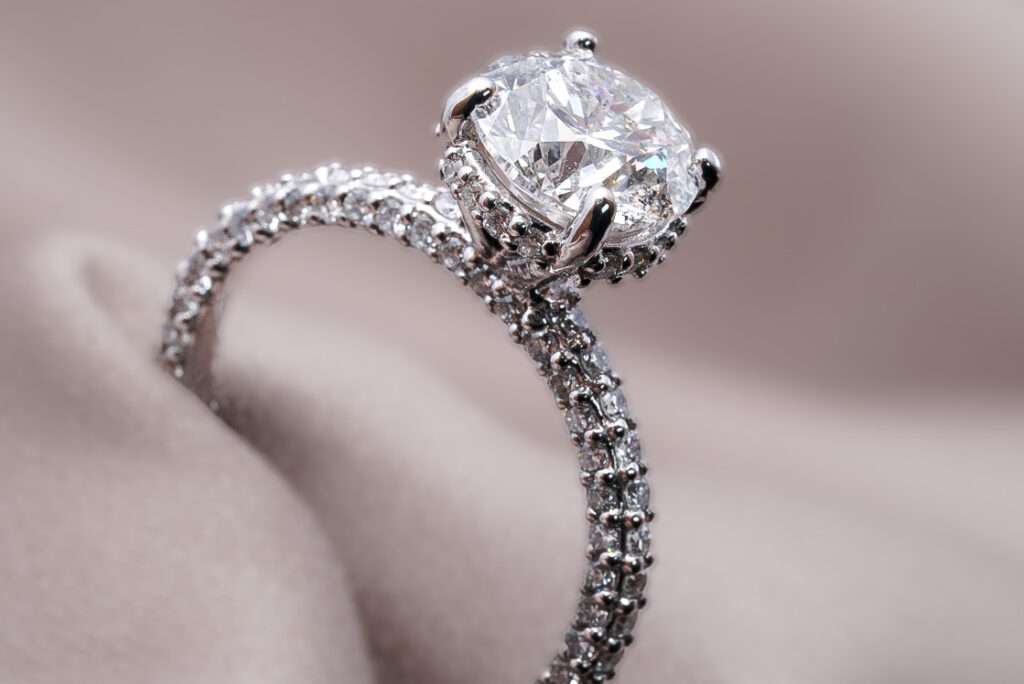
Moissanite vs Diamond: A Sparkling Showdown

When it comes to choosing the perfect stone for an engagement ring or any fine jewelry, the debate of moissanite vs diamond often arises. Both stones boast brilliance, durability, and timeless appeal—but they differ significantly in origin, cost, and appearance. As more consumers lean toward sustainable and ethical choices, lab made diamonds have also gained immense popularity. So, which one is right for you? Let’s dive deep into the glittering world of moissanite and diamond.
Table of Contents
What is Moissanite?
Moissanite is a gemstone that naturally occurs in very small quantities in meteorites. However, the moissanite used in jewelry today is lab-created. It was first discovered by scientist Henri Moissan in 1893, hence the name. Moissanite is made from silicon carbide and is cherished for its exceptional brilliance and fire (the flashes of color when the gem hits the light).
Despite not being a diamond, moissanite has become a popular alternative due to its visual similarity to diamonds, its durability, and its more affordable price point.
What Are Lab Made Diamonds?
Before we get deeper into moissanite vs diamond, it’s essential to understand the concept of lab made diamonds. Unlike moissanite, lab made diamonds are real diamonds. They have the same physical, chemical, and optical properties as mined diamonds but are grown in a controlled laboratory environment using either High Pressure High Temperature (HPHT) or Chemical Vapor Deposition (CVD) methods.
These diamonds are sustainable, ethically sourced, and environmentally friendly. The rise of lab made diamonds is changing the jewelry industry, offering consumers a way to enjoy the brilliance of diamonds without the ethical concerns linked to traditional mining.
Appearance: Can You Tell the Difference?
One of the most commonly asked questions in the moissanite vs diamond debate is whether you can tell them apart.
-
Brilliance: Moissanite is known for its fiery sparkle. It actually has more brilliance than diamonds, thanks to its higher refractive index. This often results in a rainbow-like flash that is more dramatic than the classic sparkle of a diamond.
-
Color: High-quality moissanite stones are near-colorless, but under certain lighting, they might show hints of yellow or gray. Diamonds, especially lab made diamonds, are graded for color and can be completely colorless.
-
Clarity: Moissanite is almost always flawless. Diamonds can have inclusions, but lab made diamonds often have fewer imperfections compared to natural diamonds.
In summary, while moissanite may be more sparkly, it can appear too “flashy” to some, while diamonds (especially lab made diamonds) offer a more classic and refined brilliance.
Durability: Which One Lasts Longer?
Another vital aspect of the moissanite vs diamond comparison is hardness.
-
Diamond Hardness: Diamonds are the hardest natural material, rated 10 on the Mohs scale. This makes them incredibly resistant to scratches and suitable for everyday wear.
-
Moissanite Hardness: Moissanite ranks 9.25 on the Mohs scale, making it the second hardest gemstone. It is still extremely durable and ideal for jewelry.
So, while diamonds—especially lab made diamonds—are technically harder, moissanite also stands the test of time.
Price Comparison: Value for Your Money
Price is often the deciding factor for many shoppers in the moissanite vs diamond dilemma.
-
Moissanite: Moissanite is significantly less expensive than diamonds. A 1-carat moissanite may cost a fraction of a 1-carat diamond’s price.
-
Lab Made Diamonds: Lab made diamonds cost less than mined diamonds, often up to 40–60% cheaper, but they’re still more expensive than moissanite.
If you’re budget-conscious but want a stone that looks amazing, moissanite is the more economical choice. However, if you’re seeking the prestige of a real diamond without the hefty price tag or ethical concerns, lab made diamonds are a worthy option.
Environmental & Ethical Impact
Ethics and sustainability are becoming increasingly important to consumers.
-
Moissanite: As a fully lab-created gemstone, moissanite has no ties to mining, making it an environmentally and ethically responsible choice.
-
Lab Made Diamonds: Similarly, lab made diamonds offer a conflict-free and eco-friendly alternative to mined diamonds.
So in the context of moissanite vs diamond, both options score high for sustainability—especially compared to traditionally mined diamonds.
Customization and Availability
Both moissanite and lab made diamonds are widely available in various cuts, sizes, and settings. Jewelers often offer customization options for both stones, allowing buyers to create unique and personalized pieces.
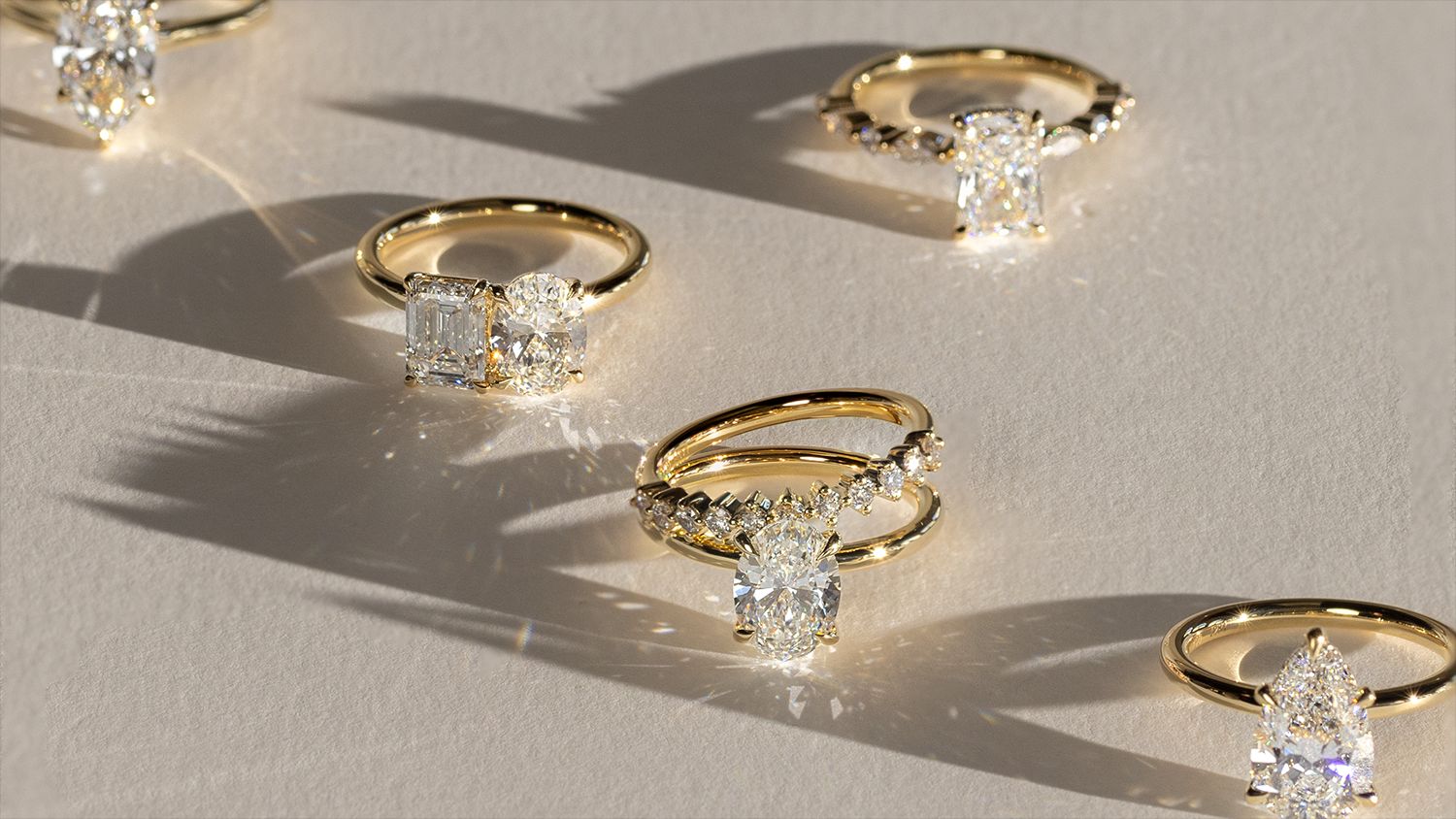
While lab made diamonds come in all traditional diamond cuts—round, princess, cushion, emerald—moissanite is also available in similar styles, making either option suitable for those looking to craft their dream ring or jewelry piece.
Resale Value and Sentimental Worth
-
Diamonds (including lab made): Diamonds historically hold some resale value, although lab made diamonds may have slightly less resale potential than mined diamonds due to market perception.
-
Moissanite: Moissanite tends to have lower resale value. However, many buyers don’t prioritize resale value when choosing engagement rings; the sentimental worth often outweighs the price tag.
If you’re considering long-term value in the moissanite vs diamond debate, lab made diamonds may offer a slight edge.
Conclusion: Which One Should You Choose?
Choosing between moissanite vs diamond really comes down to personal preferences, budget, and values.
-
If you’re looking for brilliance, affordability, and ethical sourcing, moissanite is a fantastic choice.
-
If you want a real diamond with classic appeal, durability, and eco-conscious sourcing, lab made diamonds are ideal.
Both stones offer beauty and brilliance, and neither choice is wrong. It’s all about what matters most to you—whether it’s the sparkle, the symbolism, or the story behind your gem.
FAQs
Q: Is moissanite a fake diamond?
A: No. Moissanite is a gemstone in its own right. While it resembles a diamond, it has a different chemical composition and is not considered a “fake.”
Q: Are lab made diamonds real?
A: Yes! Lab made diamonds are real diamonds with the same chemical and physical properties as natural diamonds.
Q: Which is more brilliant—moissanite or diamond?
A: Moissanite is technically more brilliant due to its higher refractive index, giving it a more fiery sparkle.
Q: Do lab made diamonds test as real diamonds?
A: Absolutely. They pass diamond testers and are virtually indistinguishable from mined diamonds to the naked eye.
Q: Can you tell the difference between moissanite and lab made diamonds?
A: Only trained gemologists using special tools can tell the difference. Moissanite tends to show more colorful fire, while diamonds have a more subtle sparkle.
Q: Which is better for daily wear?
A: Both moissanite and lab made diamonds are extremely durable and suitable for everyday jewelry.




:max_bytes(150000):strip_icc()/labgrownlede-2b7540f7f7404558a08f1a555862f3d3.jpg "Wedding Band")